A level-3 bathroom handover, hypothetical, arrives with two files: the consultant sends a snag list, the contractor sends a punch list. No line matches, so the group asks whether these are two jobs or one. In that bathroom the silicone has a finger-width gap at the basin and the shower is not installed although the drawing in use shows one; each file has caught only half.
A snag list is a list of minor defects or missing items, drawn up while inspecting work about to be handed over, so the contractor can fix them before the parties close that work. In short: both reference pages use snag list and punch list for the same kind of list, so the two files above may be one job under two names. Who writes the list, and which payment hangs on it, is decided by the project contract, not by the heading.
How does a snag list differ from a punch list?
Wikipedia, read on 12 November 2026, opens with "a punch list or snag list": a document prepared near the end of a project, or at key milestones, listing work that does not conform to the contract drawings and specifications, which the general contractor must correct before final payment. The page says the owner, architect, designer, or general contractor usually writes it while walking the work.
Designing Buildings, a UK construction wiki read the same day, says snagging has no agreed meaning and is not a contractual term. It is industry slang for inspecting in order to compile minor defects or omissions for the contractor to rectify. The page calls the sheet a snagging list, and says it is occasionally referred to as a punch list.
The pages do not split the list into two documents. Neither page gives figures on which region uses which name, so the name may simply follow the documents the writer knows. Renaming the heading does not change what each line must answer: wrong against which drawing, who fixes it, who looks again. This reading fails if your contract defines two different lists, say one the contractor compiles and one an inspecting party compiles; then follow the contract's own definitions.
Which word should your own document use?
The article's suggestion is a main path of three moves, in order.
- Find the word the contract and the other party already use. If the contract defines its own term, that word wins, whether it is snag, punch or something else. If the contract is silent, follow the party receiving the list: a contractor used to punch lists should not have to open a file titled snag.
- Pick one name for the shared list and print the other in the title. For example: Level-3 bathroom list (snag list / punch list). Each party finds its own file and nobody keeps a second list.
- Close lines by contract, not by name. The person with authority under the contract looks again on site and confirms each line, or the parties record another resolution the contract allows.
If two files already exist and disagree, as in the bathroom above, sit down once and merge them into one list. Keep lines that name a place. Drop lines that are only an adjective such as poor. If one door has two descriptions, stand at the door and keep one. Do not average them into a vague sentence.
The name does not decide when a line closes
Wikipedia's US description ties the punch list to retainage, final payment held back until the items are confirmed, and cites AIA A201 for the contractor's list when the work is judged substantially complete. For anyone holding the file, the takeaway is that the word on the cover does not say which payment is held under which clause. The contract does, and this article has not read that clause text.
Wikipedia also says final payment, in the practice it describes, arrives when the items meet the design the contract requires, or when some other agreed resolution is reached for each item. Designing Buildings says the period after practical completion, the completion milestone on many British contracts, is for calling the contractor back to defects that appear then, not a reserved slot for defects already visible when the certificate was issued. Both sentences belong to those pages; your project follows your contract.
Designing Buildings also says to keep dated records and a receipt that the list was received, because defects can become a dispute long after completion and occupants can damage the work after handover. A signature on receipt does not mean the repair is done; it shows who received the list and from which date. ## One line that reads the same under any name
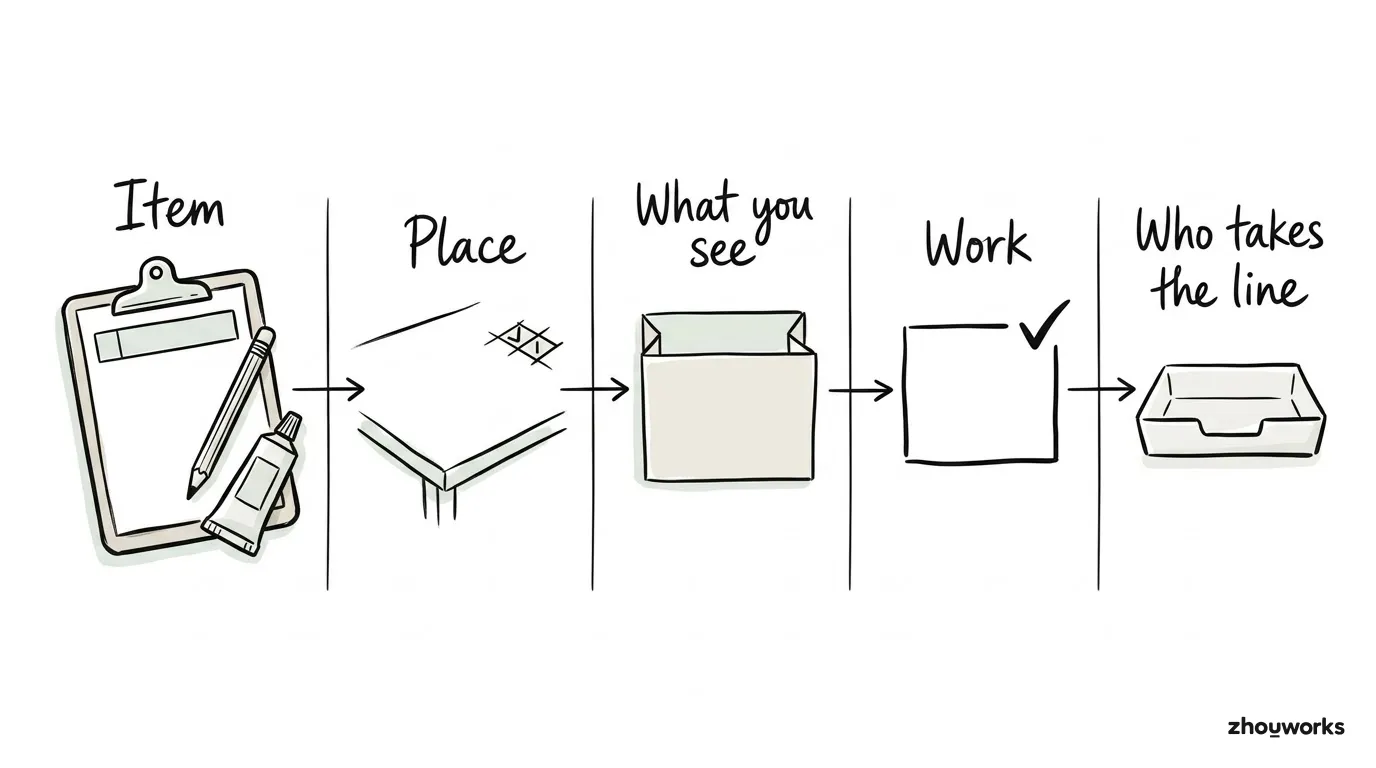
The line travels with the person who takes it. The heading does not close an item.
A list fails when every line is an adjective, because poor does not name a room. Each line needs five parts: item, place, what you see, work, who takes the line. For the level-3 bathroom, two usable lines look like this, with hypothetical sizes.
| Item | Place | What you see | Work | Who takes the line |
|---|---|---|---|---|
| Silicone | Basin, right-hand wall edge | Gap about a finger wide | Cut out the gap and remake the joint | Finishes |
| Shower | Shower wall, on the drawing in use | Not installed | Fit the type shown | Mechanical |
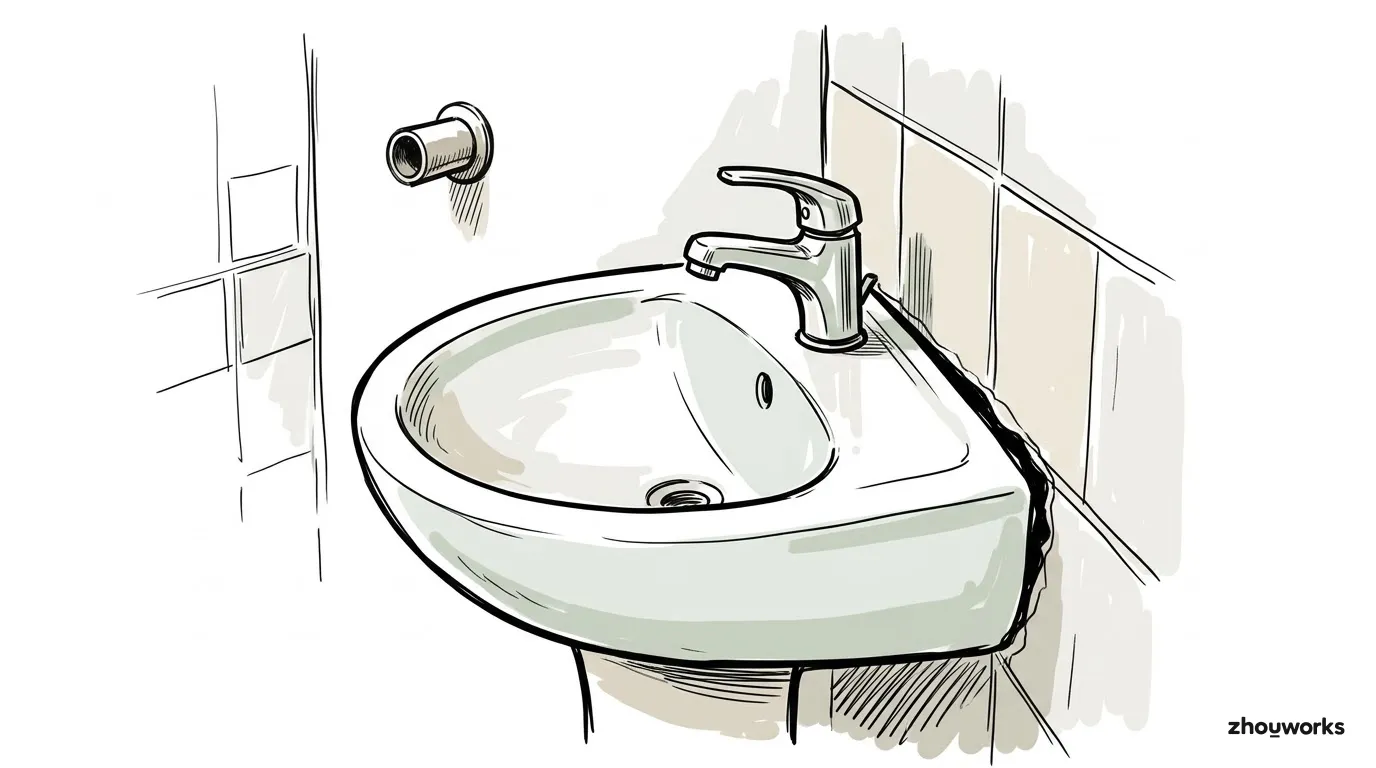
Write at the spot you are looking at, one defect per line.
Close the line when the person named on it looks again on site and accepts the work. Attach the photo of the gap to the line, so someone who was not there still sees the joint. Designing Buildings calls photographs a useful record; a camera roll without the line is only bathroom pictures.
When people still say snagging
Snagging is not always the same job. Designing Buildings lists the moments people use the word for different work: minor items left at the certificate at practical completion, significant items the parties agree to append, defects that appear during the defects liability period (the later period the page describes after completion), a main contractor checking a subcontractor, or a purchaser's surveyor walking the property. The page says some of these schedules are generally not provided for in the contract unless the parties agree.
The page also describes a common use: an inspection about a fortnight before practical completion, after the contractor offers an area as ready, with the list typically issued by the architect or the employer's agent and faults rectified before the certificate. Your contract may use another milestone, or none of these words. On a large project, the page says, inspection can follow each area once it has had a builder's clean, the protection is off and the permanent lights are on, without waiting for the whole building. Closed areas need to stay protected and be looked at again just before the client receives them. If the building work is in place but the services are not commissioned, write that on the list and do not mark the area passed. The page's figure is about an hour per 100 square metres while writing the list; that is the page's estimate, not your project's output rate.
Work you could not inspect because it is still covered or has no power or water gets its own row: not inspected, and why. A defect and a blocked test are different rows; folding both into one sentence hides which one a crew can fix today. When two folders call the same door by two names, keep one line, one place and one drawing you are allowed to check against.